By the Eagle Water Damage and Restoration crew · New York, NY
Mold spores drift through every home, every day, harmlessly — until they land on something wet. Given moisture and organic material (drywall paper, wood, dust, carpet), germination can begin within 24 to 48 hours. That's not a scare tactic; it's the biology that the entire restoration schedule is built around.
Our housing stock conspires with the mold clock: plaster and lath walls that hold moisture, basements that stay cool and damp, bathrooms vented poorly or not at all, and humid summers that keep materials near the danger zone. A leak that would dry itself out in an Arizona ranch will feed mold for weeks inside a Brooklyn wall cavity.
You don't beat mold with sprays — you beat it with speed and dryness. Extract fast, dry the structure to verified moisture targets, and treat affected surfaces with antimicrobial agents as part of the drying plan. Materials that reach dry targets inside the window almost never grow mold. Materials that stay wet past it almost always do.
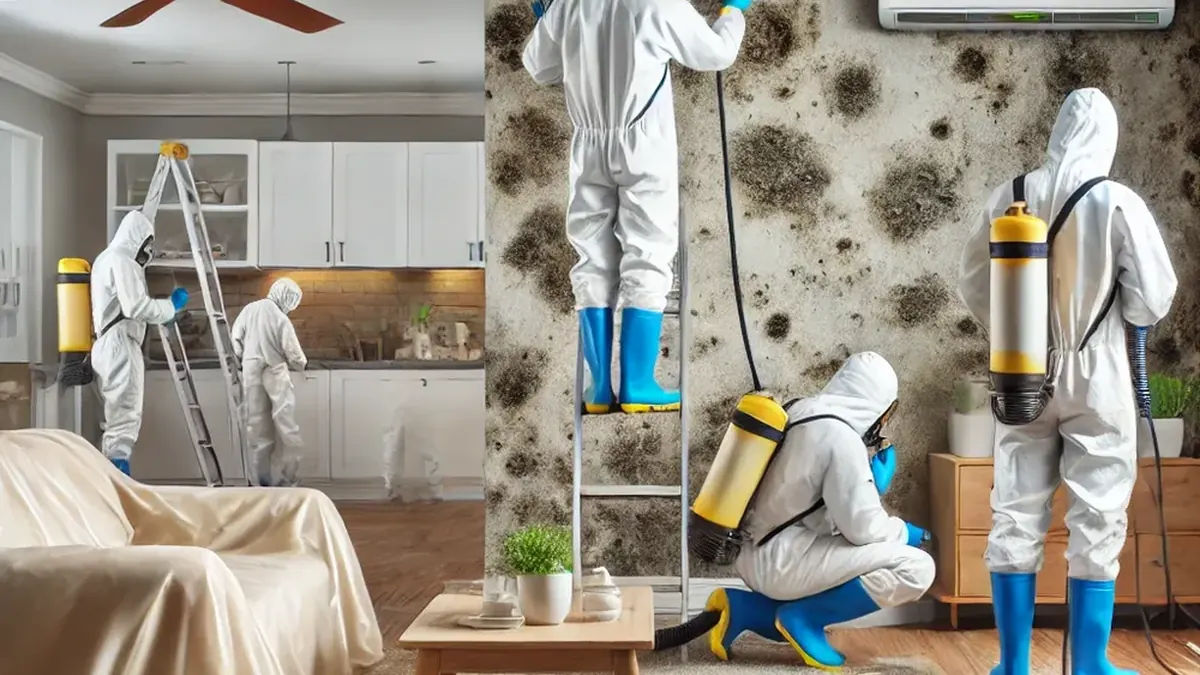
A musty, earthy smell that wasn't there before the leak. Visible spots on walls, ceilings or grout days to weeks after a water event. Allergy-like symptoms at home that ease when you leave. Any of these after a known leak means the growth is established — and established growth needs containment-based remediation, not a spray bottle.
Treat every leak — even the small, 'probably fine' ones — as a 48-hour deadline. Get the area dried and measured, not just mopped. A free moisture assessment after a leak is the cheapest mold remediation there is: the kind that never has to happen.
Call (917) 746-3218 — 24/7 across Brooklyn, Queens, Manhattan and Long Island, with a free assessment and a written scope.